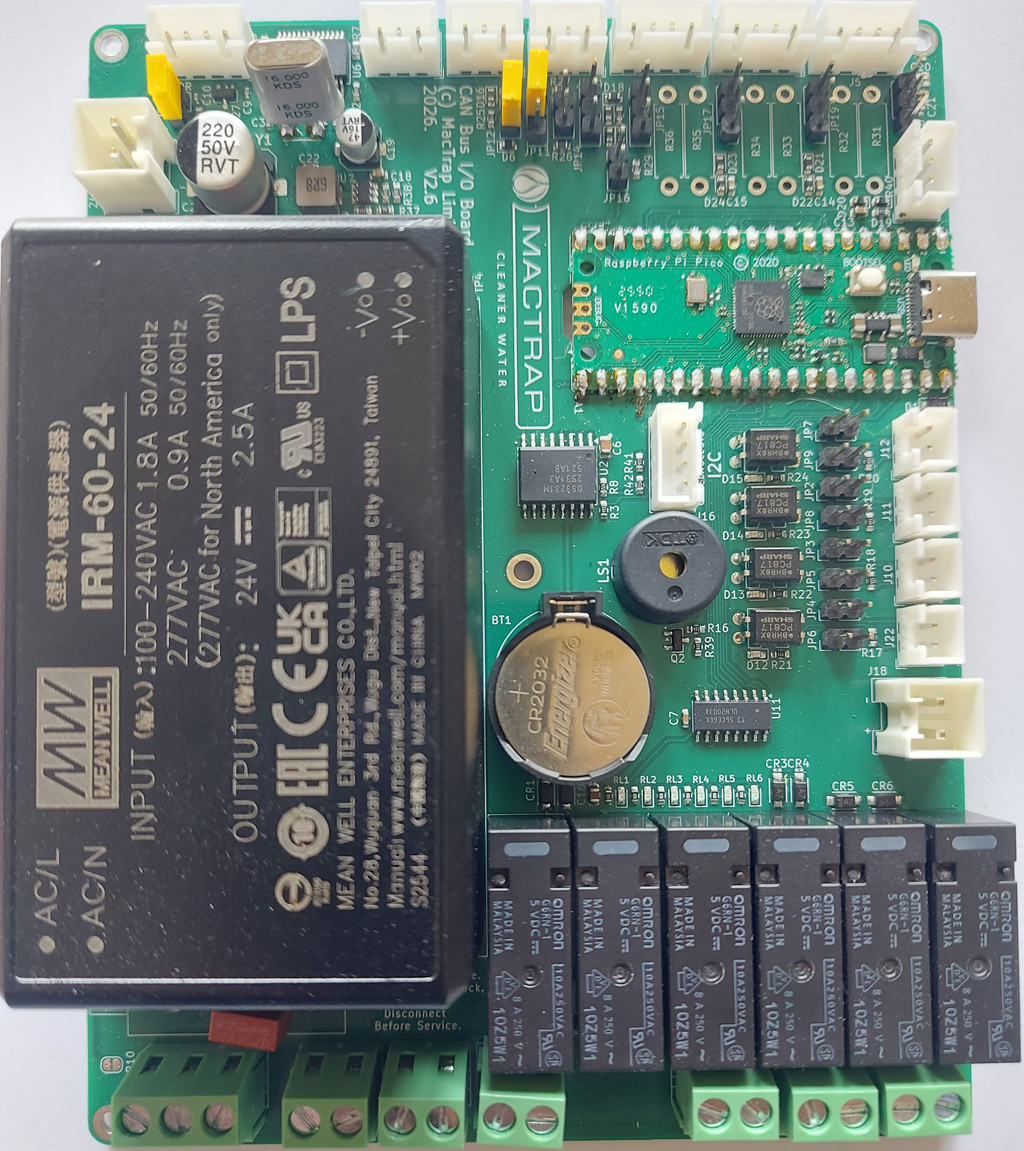
Every piece of custom electronics we build follows the same proven path — starting with a deep understanding of what you need, and ending with hardware that has been validated against that specification. Below is the journey we take together.
Understanding Your Requirements
Good hardware starts with a clear brief. Before anything is drawn or designed, we spend time understanding the problem you're solving — the application, the environment the electronics will operate in, the signals it needs to process, and the interfaces it must support.
We define the electrical specification together: power budgets, communication protocols (I²C, SPI, UART, CAN, WiFi, Ethernet), environmental ratings such as operating temperature range and ingress protection, and any regulatory requirements. Getting this right upfront is what prevents expensive revisions later.
The output of this stage is a written specification that becomes the benchmark against which the finished board is tested.
Schematic Design
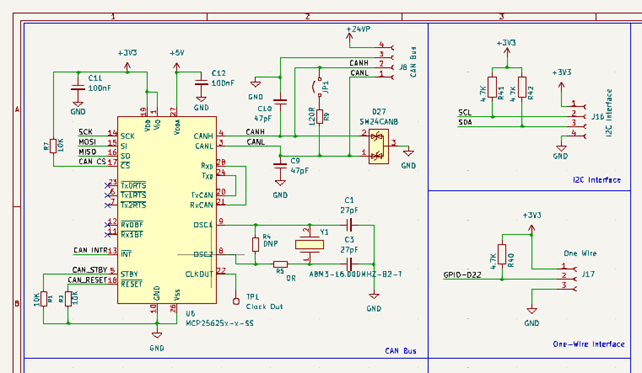
With the specification agreed, we translate your requirements into a schematic — a precise diagram of every component in the circuit and how they connect. Component selection happens here: choosing the right microcontroller or processor, power management ICs, sensors, communication modules, and protection circuitry.
Component selection is more than picking a part that works — it involves availability, longevity of supply, cost at your anticipated production volumes, and fit with the surrounding design. We consider all of these before committing.
The schematic is reviewed before moving forward. Catching a design error here costs nothing. Catching it after boards are manufactured costs significantly more.
PCB Layout
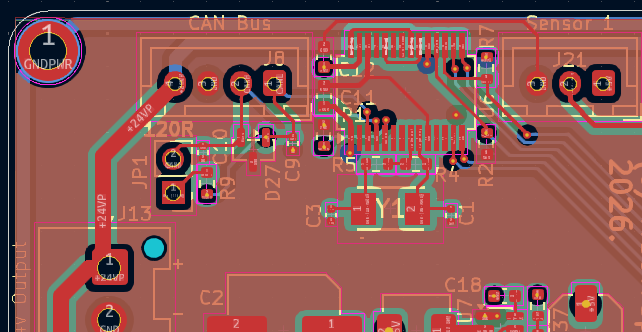
The schematic defines what connects to what. The PCB layout defines where everything physically sits and how the connections are routed across the board. This is where the engineering discipline really shows — a poorly laid out board that looks correct on a schematic can still fail in the field.
We consider electromagnetic compatibility (EMC) from the start: ground planes, trace impedance, component placement to minimise interference between digital and analogue sections, and thermal management for components that run warm. Connector positions are chosen with your enclosure and cable routing in mind.
Design rule checks and review against the fabrication house's capabilities are completed before Gerber files are released for manufacture.
Board Fabrication
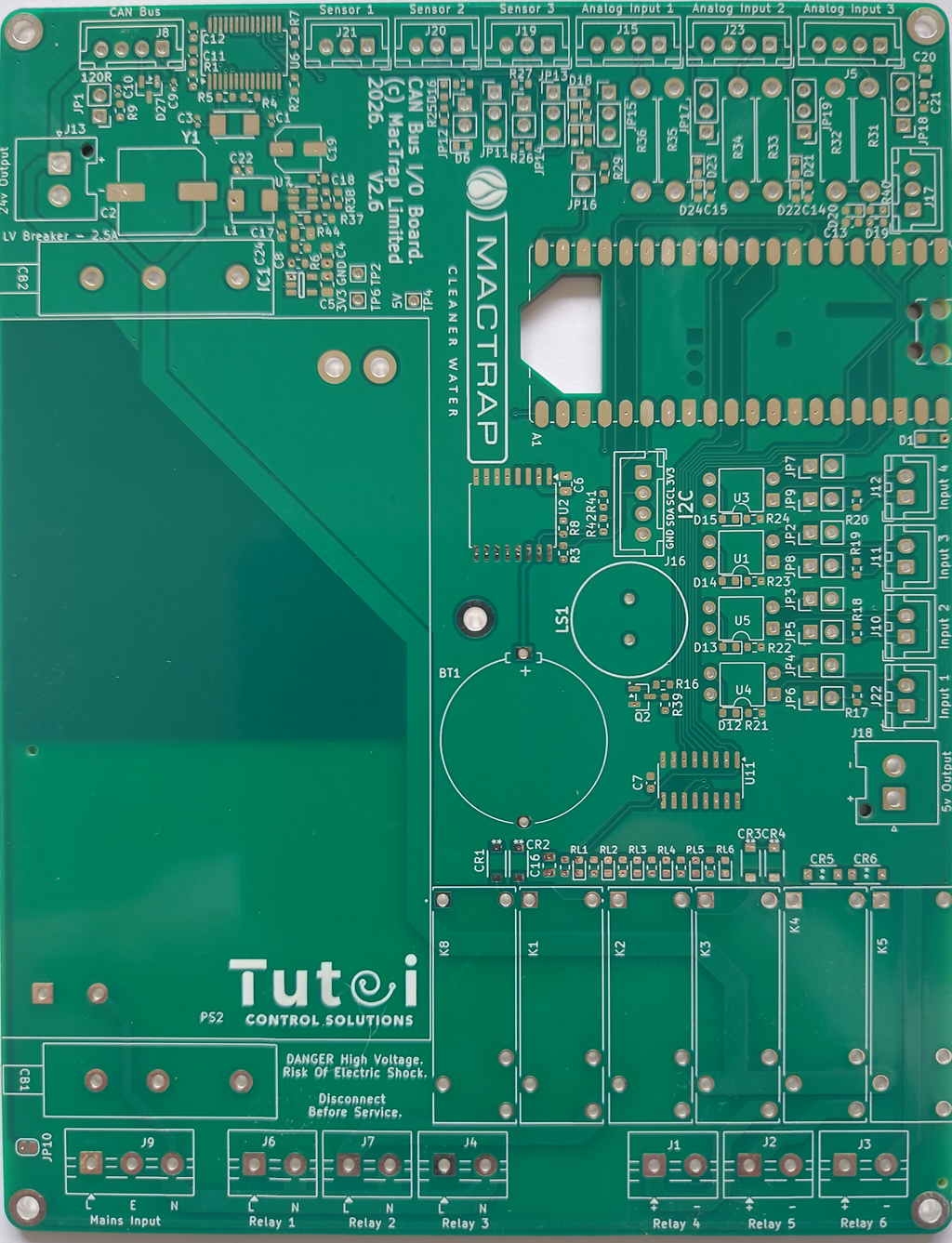
The Gerber files are sent to a fabrication house and the bare PCBs are manufactured. The number of layers, board material, copper weight, surface finish, and solder mask colour are all specified at this stage based on the electrical and environmental requirements of the design.
When boards arrive they are inspected before any components are placed. Dimensional checks, visual inspection for manufacturing defects, and continuity testing ensure we're starting population with a good board.
Population & Testing
Components are placed and soldered — by pick-and-place for production runs, or by hand for early prototypes where flexibility matters. Firmware is loaded and the board is brought up in stages: power rails first, then each subsystem in sequence.
Testing is systematic and tied directly to the specification agreed at step one. Every interface is exercised, every protection circuit is verified, and performance is measured against the defined parameters. Any deviation is investigated and resolved before the board is signed off.
The result is hardware you can depend on — and documentation that supports everything from regulatory submission to future revision.